
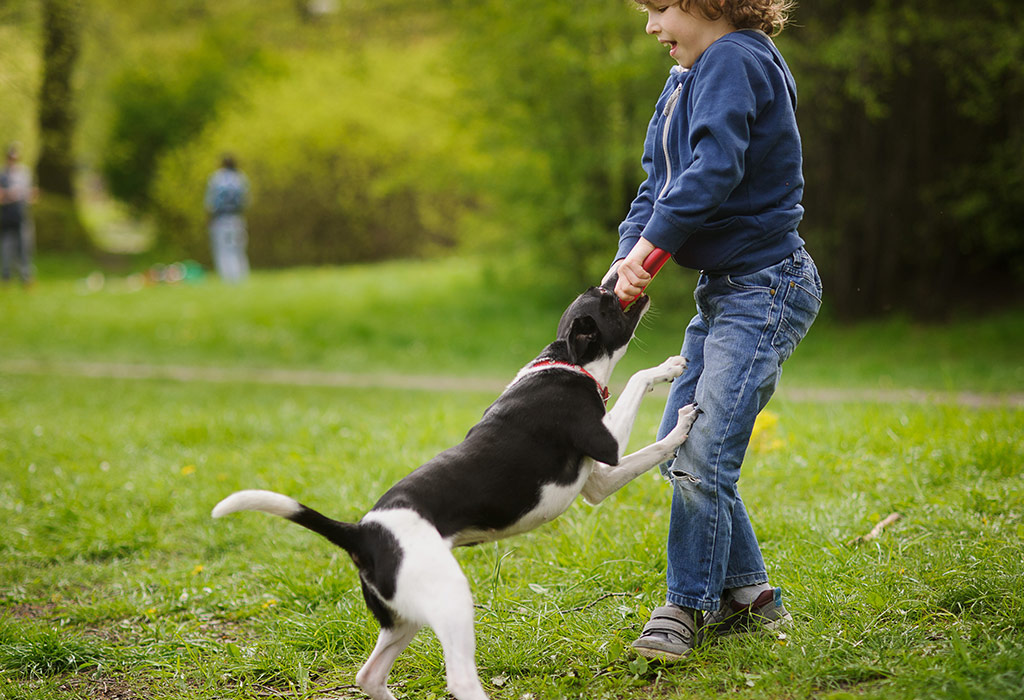
Dogs are known to be man’s best friend and treasured members of our families, but in uncontrolled surroundings and conditions, they can have the potential to pose a hazard, particularly to children. Contrary to popular belief, dog bites are extremely more common than you think.
While any dog, large or small, can bite, the majority of dog bites occur in puppies and young dogs that have not yet been fully trained to function as members of society, and youngsters are significantly more likely to be their victims. That is why it is critical that parents remain vigilant and aware of their children at all times in order to avoid dog bite incidents.
According to The Center for Disease Control (CDC), 4.5 million dog bite incidents are reported each year and about half of those involve children. The CDC also reports that 1 in 5 attacks results in moderate to serious injury.
How Serious Are Children Dog Bites?
While the majority of dog bite cases are minor and do not require hospitalization, all dog bites in children should be taken seriously and medical care is necessary to avoid complications such as serious infections. Dog bites involving multiple or large dogs can lead to catastrophic injuries on the face, hands, and feet, and they are more likely to become infected.
Signs of serious dog bites include:
- Uncontrollable bleeding
- Damage to underlying soft tissues
- A significant injury to the face or hands
- Developing signs of an infection
- Damage to muscles, tendons, and ligaments
- Broken bones
- Amputation, especially of fingers and hands
What Diseases Are Caused by Dog Bites?
In general, infections happen when bacteria, germs, or other contagious diseases enter the body through an open wound on the skin. According to the American Academy of Pediatrics, 10% to 15% of dog bites result in infection.
Dogs’ mouths are home to a variety of bacteria strains, many of which can worsen a dog bite wound. If left untreated without proper cleaning and medical attention, especially in children, they are more prone to develop illnesses that can be passed from one person to another by germs, such as:
- Rabies
- Staph and Strep Infections
- Cellulitis
- Tetanus
How to Reduce Dog Bites in Children by Teaching Kids How to Approach Dogs?
Children are especially vulnerable to dog attacks due to their small size and lack of experience around animals. Teaching your child how to interact with dogs properly is the first step in protecting them against dog attacks. You should teach kids not just how to prevent being bitten, but also how to interact with animals and the importance of respecting the roles of animals in your household.
Here are some simple behaviors you can reinforce to help kids learn the importance of treating dogs with respect and preventing bites:
- Avoid unknown dogs
- Always ask the owner for permission to pet their dog
- Avoid yelling, running, hitting, or making sudden movements
- Do not tease dogs by taking their toys, food, or treats
- Leave the dog alone when it’s asleep or eating
- Let the dog see and sniff you before petting it
- If an unfamiliar dog approaches you, stay calm, don’t look it directly in the eye, and stand still or back up slowly
- Never squeeze dogs too tight, drop them, fall on them, or jump on them
What Should I Do If My Kid is Attacked by a Dog?
If your child is attacked by a dog, you should take the following steps:
- Seek immediate medical attention. Even if the injury does not appear to be significant, you are liable for the consequences of the infected wound and whatever happens subsequently. This is necessary not only for the purpose of treatment but also for the purposes of documenting what occurred.
- Identify the dog owner. Obtain the dog owner’s contact information, which will be useful in any legal proceedings you may take.
- Photograph your child’s injuries. Even though this may be painful to do, be sure to document your child’s injuries from the initial attack to the end of the healing process.
What Will a Doctor Do To Treat a Dog Bite Injury?
Your kid’s doctor will want to learn more about the dog that bit them and the circumstances surrounding the incident to determine if a rabies shot is necessary. If there’s a risk of infection, they will clean the area, apply antibiotic ointment, and prescribe medications. Depending on the wound, the pediatrician may also recommend stitches.
Although medical assistance should be sought as soon as possible, if you believe it will take you a long time to get your children to the nearest hospital, there are some things you can do to keep the dog bite wound clean:
- Wash the wound with soap and warm water.
- Gently press a clean cloth over the wound to stop the flow of blood
- Apply an antibacterial ointment to the wound
- Cover with a sterile bandage
- Watch for signs of infection
What to do Following a Dog Bite?
Once your child has gotten medical attention and is no longer in danger, you should consider your legal options for seeking recompense for his or her injuries.
Find out as much as you can about the dog, such as who the owner is, if the dog was properly restrained, if the dog was provoked, and if the dog has received all essential immunizations, including rabies injections.
If you’re not sure where to turn for help with your child’s condition, call a personal injury lawyer who specializes in animal attacks for advice on how to pursue compensation for your child’s case.
Conclusion
It’s never easy to see your children suffer, which is why it’s critical to teach them how to avoid dangerous situations involving animals at an early age.
Keep in mind dogs can be wonderful companions, but they are still animals who can bite! Keep your children safe by following these simple guidelines:
- Never leave a dog alone with a newborn or child.
- Do not allow kids to approach a dog while it is eating or sleeping
- Teach your children to be cautious around pets
- Teach children not to approach unknown dogs or reach through fences to pet them
- Before stroking a dog, teach children to ask the owner’s permission.


